


Burnout recovery isn't what most people think it is. If you're struggling to bounce back from exhaustion, there's a good chance you're making some common mistakes that are actually slowing down your recovery instead of speeding it up.
The biggest misconception? That burnout recovery means doing more – more therapy, more exercise, more treatments, more productivity hacks. But here's the truth: real recovery often means doing less. Way less.
Let's dive into the seven biggest mistakes people make when recovering from burnout, and more importantly, how to fix them.
Mistake #1: Over-Exercising When You're Depleted
You've probably heard that exercise is great for stress relief. And normally, it is. But when you're severely burned out, hitting the gym hard can actually make things worse.
Think about it this way: your body is like an over-trained athlete. Your adrenal glands are exhausted, your nervous system is fried, and your energy reserves are completely depleted. Adding intense exercise on top of that is like trying to squeeze water from an empty sponge.
Research shows that for people in severe burnout, aerobic exercise either had no effect on recovery or actually prolonged the recovery time. Ouch.
The Fix: Start with gentle movement instead. Take short walks, do light stretching, or try some easy yoga. Your body will tell you when it's ready for more intense exercise – usually when you start feeling genuinely energized again, not when you think you should feel energized.

Mistake #2: Throwing Everything at the Problem at Once
When we're burned out, we often panic and try every solution we can find. Therapy, supplements, meditation apps, new workout routines, career coaching, meal planning – all at the same time.
But here's the problem: adding lots of treatments and activities puts more stress on your already overwhelmed system. Your brain is trying to manage and track all these new inputs when what it really needs is simplicity and rest.
The Fix: Pick one or two fundamental things and stick with them. Start with the basics – sleep, nutrition, and rest. Once those are stable, you can gradually add other supportive practices. Think of it as recovery, not rehabilitation boot camp.
Mistake #3: Trying to "Manage" Burnout While Staying Busy
This is probably the most common mistake. People try to treat burnout symptoms while maintaining their usual pace of life. They'll book therapy sessions between meetings, practice meditation apps during lunch breaks, and wonder why they're not getting better.
Burnout isn't just stress – it's complete exhaustion. You can't manage your way out of it while continuing to drain your energy reserves.
The Fix: You need actual rest. Not "relaxing" while checking emails. Not "taking it easy" while still working 50-hour weeks. Real rest. This might mean taking days or weeks off work, depending on how severe your burnout is. Yes, it's scary. Yes, it might be inconvenient. But it's absolutely necessary.

Mistake #4: Rushing Back to "Normal" Too Quickly
Once you start feeling slightly better, there's a temptation to jump back into your old routines at full speed. After all, you've got catching up to do, right?
Wrong. Rushing back is one of the fastest ways to relapse. Burnout recovery is slow, and that's completely normal. Your nervous system needs time to recalibrate, your energy needs time to rebuild, and your habits need time to change.
The Fix: Make gradual changes instead of dramatic ones. If you took time off work, consider a phased return. Start with shorter days or reduced responsibilities. Add back activities slowly and pay attention to how your body responds. The goal is sustainable recovery, not a sprint to the finish line.
Mistake #5: Staying in the Same Toxic Environment
You can't heal in the same environment that made you sick. Yet many people try to recover from burnout while staying fully immersed in the same stressful workplace, toxic relationships, or overwhelming commitments that caused the burnout in the first place.
It's like trying to recover from food poisoning while continuing to eat the contaminated food.
The Fix: Create physical and emotional distance from your stressors wherever possible. This might mean:
- Delegating tasks at work
- Setting firmer boundaries with demanding people
- Taking a temporary break from certain commitments
- Even changing jobs or relationships if they're fundamentally toxic
Distance gives you the space to heal and the perspective to see what's actually sustainable for you long-term.

Mistake #6: Ignoring the Deeper Message
Burnout isn't random bad luck – it's your body and mind sending you a clear message that something in your life is seriously out of alignment. Maybe you're living according to other people's expectations instead of your own values. Maybe you're saying yes to things that don't actually matter to you.
Many people treat burnout like a temporary technical glitch rather than important information about how they're living their lives.
The Fix: Use this recovery time to reassess your priorities and goals. Ask yourself:
- What actually matters to me?
- Where am I spending energy on things that don't align with my values?
- What would a sustainable life look like for me?
- What boundaries do I need to set to protect my energy?
This isn't just philosophical navel-gazing – it's practical prevention work. If you don't change the underlying patterns, you'll just burn out again.
Mistake #7: Going It Alone
Burnout often makes us want to withdraw from everyone and everything. While some solitude is healthy during recovery, trying to handle everything completely alone is a mistake.
Isolation can make burnout worse by cutting you off from support, perspective, and practical help when you need it most.
The Fix: Build a recovery support network. This might include:
- Friends and family who understand what you're going through
- A therapist or counselor who specializes in burnout
- Colleagues who can cover some responsibilities
- Support groups (online or in-person) with people in similar situations
Remember: asking for help isn't weakness – it's wisdom. You don't have to figure this out by yourself.
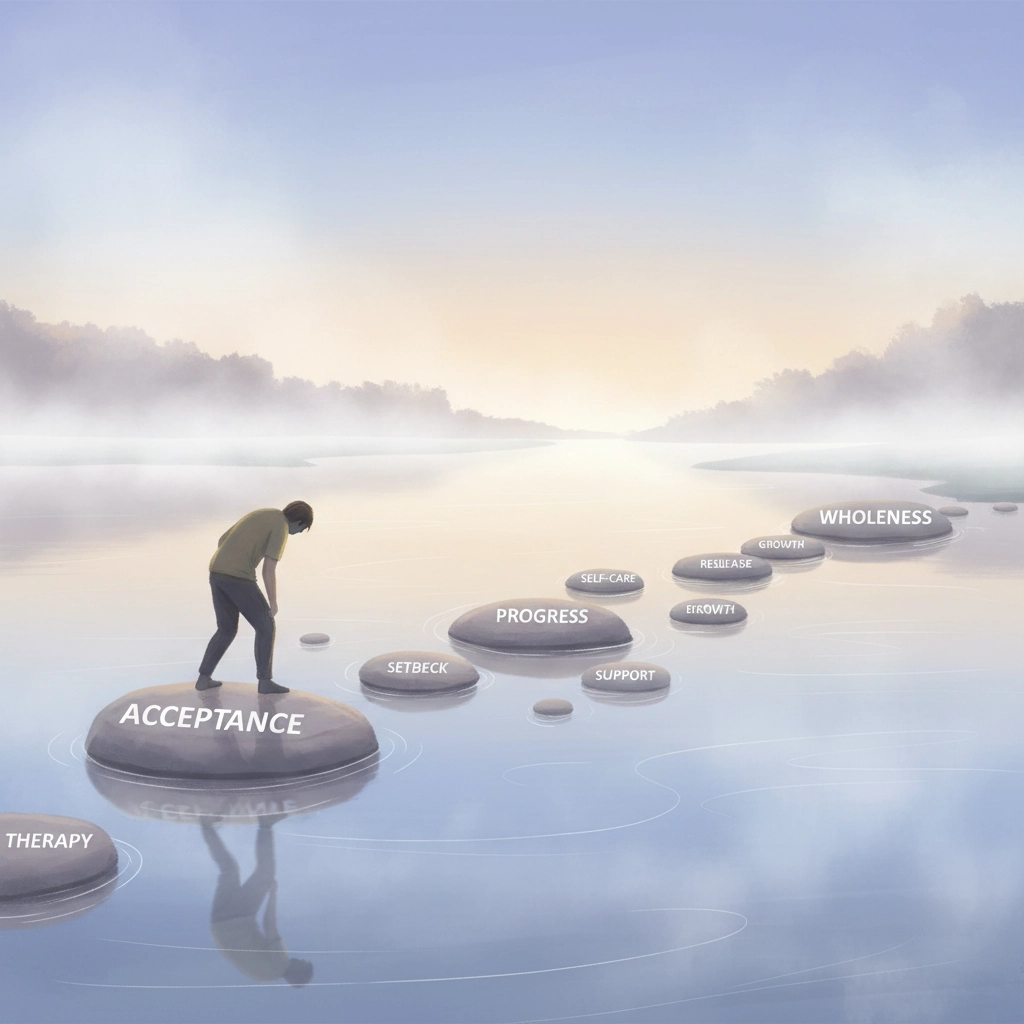
The Real Truth About Burnout Recovery
Here's what most people don't realize: burnout recovery isn't about getting back to your old self. It's about becoming a new version of yourself – one who knows their limits, honors their needs, and creates a life that actually sustains them.
The process is slower than you want it to be, messier than you expect, and ultimately more transformative than you can imagine right now.
Recovery means learning that "doing nothing and relaxing" isn't laziness – it's medicine. It means understanding that rest isn't something you earn after being productive; it's something you need to be productive in a sustainable way.
Most importantly, recovery means recognizing that your burnout is valuable information. It's telling you exactly what isn't working in your life and giving you the opportunity to build something better.
The path forward isn't about managing burnout symptoms while maintaining an unsustainable lifestyle. It's about fundamental change – in how you work, how you rest, how you relate to others, and how you treat yourself.
Take the time you need to recover. And then take a little more. Your future self will thank you.

