

Ever feel like you're juggling a dozen different coaching tools without knowing how they all fit together? You're not alone. Most coaches collect tools like trading cards – lots of shiny options, but no clear strategy for using them as a unified system.
The magic happens when you stop thinking about individual tools and start thinking about tool combinations. When you layer the right frameworks together, they create something way more powerful than the sum of their parts.
Why Single Tools Fall Short
Here's the thing about using coaching tools in isolation – they only give you part of the picture. The Wheel of Life shows you where someone is, but it doesn't tell you how to get where they want to go. SMART goals give you structure, but they don't help with the deeper "why" behind the objectives.
Your clients are complex humans dealing with multiple layers of challenges and opportunities. One-dimensional tools create one-dimensional solutions, and that's not how real transformation works.

The Three-Layer Approach
Think of combining coaching tools like building a house. You need a solid foundation, strong walls, and a roof that ties everything together.
Layer One: The Foundation (Assessment)
Start with tools that help you understand where your client is right now. The Wheel of Life is perfect here because it gives you a visual snapshot of balance across key areas – career, relationships, health, finances, personal growth.
But don't stop there. Pair it with values assessments or strengths finders. When you know what matters most to someone AND where they're struggling, you've got a foundation for everything that comes next.
Layer Two: The Structure (Planning and Goal Setting)
This is where SMART goals shine, but they work best when built on top of that foundation layer. Once the Wheel of Life reveals which areas need attention, SMART goals give you the roadmap for getting there.
Here's where most coaches make a mistake – they jump straight to SMART goals without doing the assessment work first. It's like trying to build walls without a foundation. Sure, you might get something that looks like progress, but it won't last.
Layer Three: The Integration (Action and Accountability)
This layer is where rubber meets road. Action planning tools, accountability frameworks, and progress tracking systems. These tools take insights and goals and turn them into daily reality.

Power Combinations That Actually Work
Some tool combinations just make sense together. Here are the ones I've seen create the biggest breakthroughs:
The Clarity Combo: Wheel of Life + Values Assessment + SMART Goals
Start with the Wheel of Life to see the big picture. Layer on values work to understand what really drives your client. Then use SMART goals to create specific action plans that align with both their current reality and their deeper motivations.
This combination works because it addresses three critical questions: Where am I? What matters most? How do I get there?
The Momentum Builder: Strengths Assessment + Action Planning + Weekly Check-ins
Perfect for clients who know what they want but struggle with execution. The strengths assessment helps them work with their natural talents instead of against them. Action planning breaks big goals into manageable steps. Weekly check-ins keep the momentum going.
The Transformation Triple: Life Vision + Gap Analysis + Habit Stacking
This one's for clients ready to make major changes. Life vision work gets them clear on their desired future. Gap analysis identifies exactly what needs to change. Habit stacking helps them build the daily behaviors that bridge the gap.
Digital Integration Makes Everything Easier
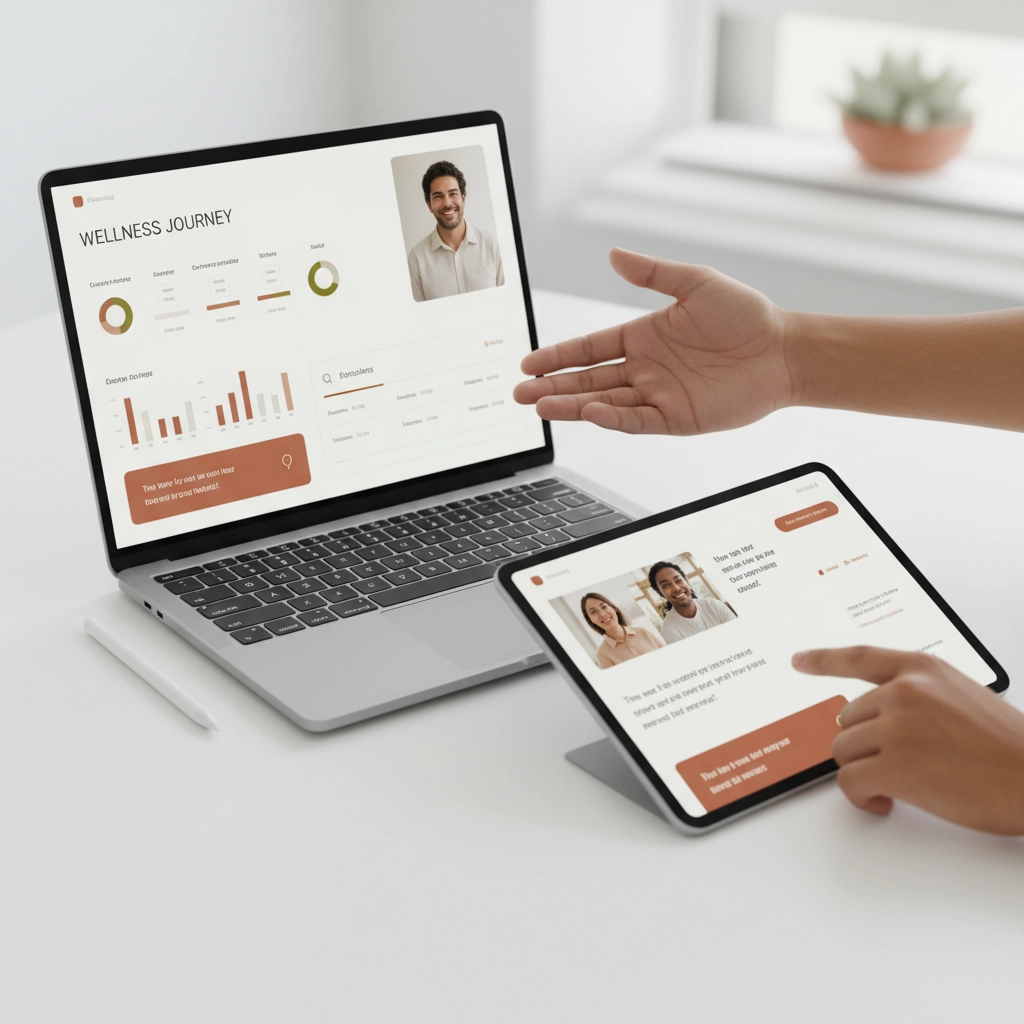
Let's be honest – managing multiple tools can be a pain. That's where digital integration becomes your best friend. When your tools work together on platforms like Zoom or Teams, everything flows better.
Instead of switching between different apps and losing momentum, you can keep everything in one place. Session notes, progress tracking, goal updates, even homework assignments – all accessible with a few clicks.

This isn't just about convenience (though that matters too). When tools are integrated, you can see patterns and connections you'd miss otherwise. Maybe your client's relationship goals keep getting derailed by work stress. Or their health improvements are directly tied to better financial planning. These connections become obvious when you can see all the data in one place.
Making It Work in Group Settings
Combining tools becomes even more powerful in group coaching scenarios. When everyone uses the same Wheel of Life assessment, they can share insights and learn from each other's patterns. When the group works through SMART goal setting together, they create natural accountability partnerships.
The key is choosing combinations that work for both individual reflection and group discussion. Some tools are better for private work, others shine in group settings. The best combinations give you flexibility to do both.
Common Mistakes to Avoid
Tool Overload
More isn't always better. I've seen coaches try to use six different assessments in the first session. Your client leaves feeling overwhelmed instead of empowered. Start with two or three tools max, then add more as needed.
Wrong Order
The sequence matters. Assessment before planning. Planning before action. You can't skip steps just because you're excited to get to the "good stuff."
One-Size-Fits-All
Not every client needs the same combination. Someone dealing with career transition needs different tools than someone working on work-life balance. Stay flexible and adjust based on what each person actually needs.
Building Your Tool Stack
Start simple. Pick one assessment tool, one planning tool, and one action tool. Master that combination before adding more. Once you're comfortable with how they work together, you can start experimenting with different combinations for different types of clients.
Remember, the goal isn't to use every tool in your toolkit. It's to use the right tools in the right combination to create the specific outcome your client wants.
The most effective coaches aren't the ones with the most tools – they're the ones who know how to combine the right tools at the right time. When you master that skill, you stop being just another coach with a bag of tricks. You become someone who creates real, lasting transformation.
That's the difference between using tools and combining them strategically. One approach keeps you busy. The other changes lives.

