

You've got the expertise. You've helped countless clients transform their lives. But when it comes to packaging that knowledge into a signature programme that actually sells? That's where things get tricky.
Here's the thing – creating a signature programme isn't just about bundling your best advice together. It's about crafting something so clear, so compelling, and so perfectly targeted that your ideal clients can't help but say "yes."
Let's break down exactly how to describe and sell your signature programmes in a way that fills your calendar and transforms your business.
What Makes a Signature Programme Actually Work
A signature programme is your repeatable process for getting clients from Point A to Point B. It's not a collection of random coaching sessions – it's a structured journey with a clear destination.
The best programmes solve one specific problem for one specific type of person. When you try to help everyone with everything, you end up helping no one with anything. Your programme needs to be laser-focused.
Think about it this way: Would you rather be known as "the coach who helps people with stuff" or "the coach who helps burned-out executives reclaim their energy in 90 days"? The second one wins every time because it's specific, clear, and speaks directly to someone's pain.

The Art of Programme Description: Clarity Beats Cleverness
When describing your signature programme, forget about being clever. Your goal isn't to impress people with your creativity – it's to communicate exactly what transformation you provide.
Start with the end result. What specific outcome will your clients achieve? Don't talk about the journey, the process, or how "transformative" the experience will be. Talk about the concrete result they'll walk away with.
Instead of: "A transformative 12-week journey to discover your authentic self"
Try: "How to identify your core values and make career decisions with confidence in 12 weeks"
Use their language, not yours. Your clients don't care about your fancy coaching terminology. They care about solving their problems using the words they actually use to describe those problems.
Spend time listening to how your ideal clients talk about their challenges. What words do they use? What phrases keep coming up? That's the language your programme description needs to speak.
Be obsessively specific. Vague promises get ignored. Specific outcomes get attention.
Instead of: "Build better relationships"
Try: "Have difficult conversations with your team without feeling sick to your stomach"
Research Before You Write
Before you write a single word of programme copy, you need to validate that people actually want what you're offering.
Survey your ideal clients. Reach out to 10-15 people who match your target audience. Ask them about their biggest challenges, what they've tried before, and what their ideal outcome would look like. Pay attention to the exact words they use.
Research the competition. What programmes already exist in your space? How are they being described? Where are the gaps? Your programme needs to stand out, which means understanding what's already out there.
Test your concept. Before investing months in programme creation, test your concept. Talk about it in social media posts, mention it in conversations, include it in your email newsletter. See how people respond.
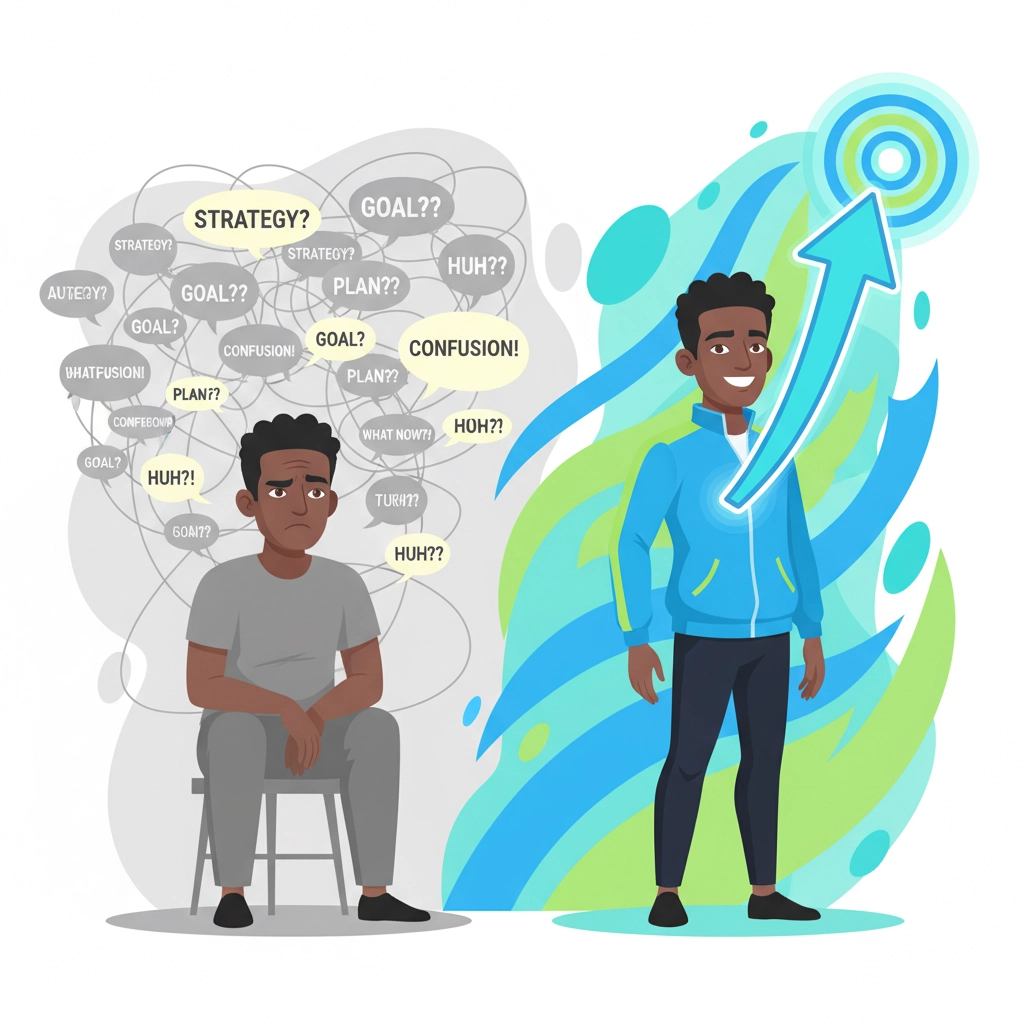
The Framework for Selling Your Programme
Once you've nailed your description, it's time to focus on sales. Here's how to structure your approach:
Position yourself as the obvious choice. Your marketing shouldn't just describe your programme – it should position you as the person who obviously understands this specific problem better than anyone else.
Share case studies, tell stories, demonstrate your expertise through valuable content. When someone has the problem your programme solves, they should immediately think of you.
Create a content marketing system. Develop a 12-week content calendar that educates your audience while building trust and positioning your programme as the logical next step.
Your content should:
- Address common objections before they arise
- Demonstrate your methodology in action
- Show results from previous clients
- Build anticipation for your programme
Develop multiple touchpoints. People rarely buy after one interaction. They need to see your programme mentioned across multiple channels:
- Email sequences that nurture subscribers toward enrollment
- Social media posts that showcase your expertise
- Podcast interviews where you discuss your framework
- Blog posts that demonstrate your approach
- Sales pages that clearly communicate your offer
Packaging and Pricing Strategy
There are dozens of ways to package your signature programme, and the right choice depends on your audience and business model.
Consider your delivery method. Will it be delivered through:
- Live group calls?
- Pre-recorded video modules?
- One-on-one sessions?
- A combination of formats?
- Self-paced online course?
- Intensive workshop format?
Each delivery method appeals to different types of clients and supports different price points.
Find your pricing sweet spot. Your programme price should reflect the transformation you provide, not just the time you spend delivering it.
Consider:
- The value of the outcome to your clients
- What competing solutions cost
- Your target client's budget capacity
- Your business revenue goals
Test different price points. If you're unsure about pricing, test different levels during your launch phase. Start higher and adjust down if needed – it's much harder to raise prices later.

The Launch Strategy That Actually Works
Don't just announce your programme and hope people buy. Create a strategic launch that builds momentum and urgency.
Start with a beta launch. Offer your programme at a discounted price to a small group of ideal clients. This allows you to:
- Refine your content based on real feedback
- Gather testimonials and case studies
- Work out any delivery kinks
- Generate early momentum
Create genuine urgency. Limited enrollment periods, early-bird pricing, or exclusive bonuses for the first group of clients can create urgency without feeling pushy.
Leverage social proof. Share success stories, testimonials, and behind-the-scenes content from your beta participants. Nothing sells a programme better than proof that it actually works.
Have a follow-up system. Not everyone will buy immediately. Have a strategic follow-up sequence for people who showed interest but didn't enroll. Stay on their radar for when they're ready.
Common Mistakes That Kill Programme Sales
Trying to appeal to everyone. The more broadly you cast your net, the fewer fish you'll catch. Narrow your focus and speak directly to one specific type of person with one specific problem.
Focusing on features instead of outcomes. Your clients don't care how many modules your programme has or how many hours of content you've created. They care about the result they'll get.
Underestimating the importance of trust. People buy programmes from coaches they trust. Invest time in building relationships and demonstrating expertise before trying to sell.
Neglecting the sales process. Creating a great programme is only half the battle. You need a systematic approach to marketing and selling it.
Your signature programme represents your best thinking, proven methodology, and unique approach packaged into something that can transform your business and your clients' lives. By focusing on clarity in your description and strategy in your sales approach, you'll create something that not only sells itself but delivers real results.
The coaches who succeed aren't necessarily the most talented – they're the ones who can clearly communicate their value and systematically guide prospects toward enrollment. Master these skills, and your signature programme becomes the foundation of a thriving coaching business.

