


Your best leaders are quietly drowning.
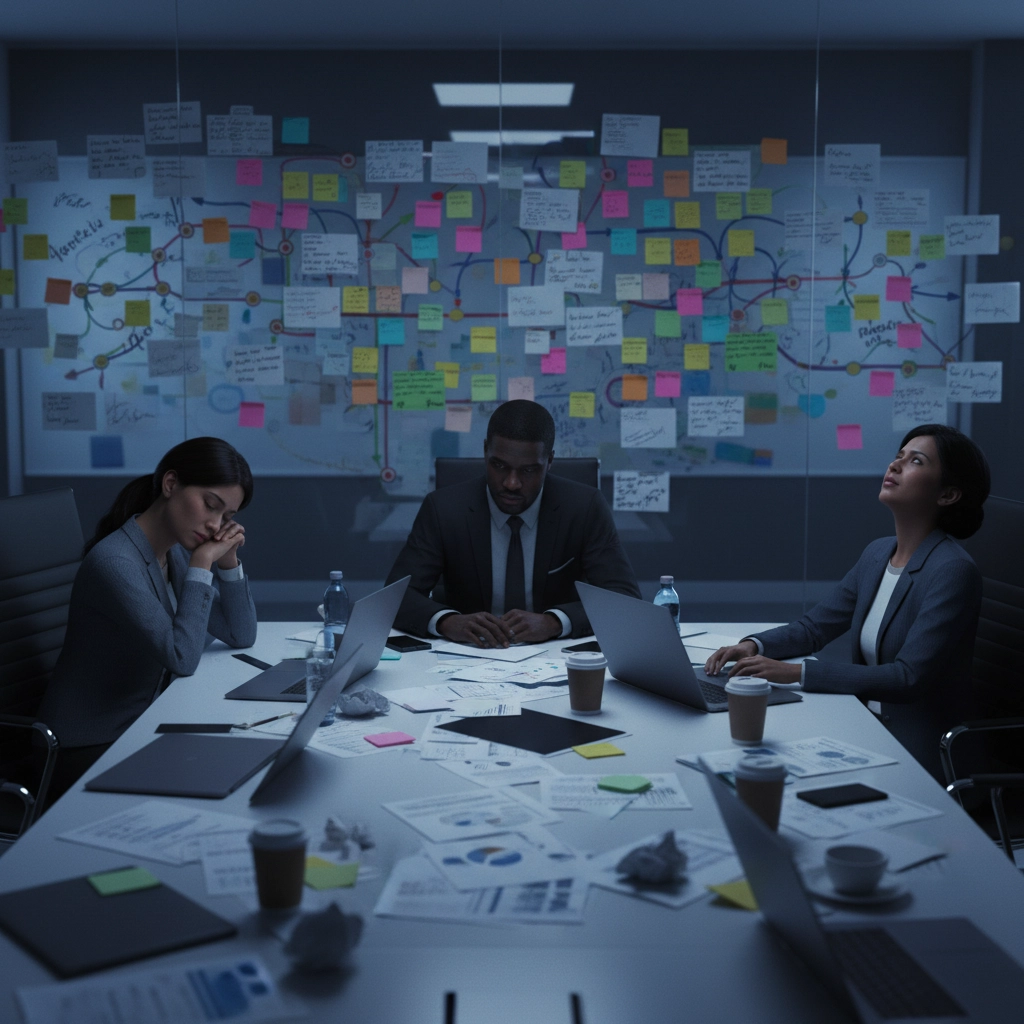
While you're focused on the next transformation, the latest pivot, or that urgent restructuring, something insidious is happening to the people who make it all work. They're not complaining, yet. They're not dramatically storming out of meetings. They're just… exhausted. And that exhaustion is costing your organization more than you realize.
This is change fatigue, and it's not just another HR buzzword. It's a real, measurable phenomenon that's silently eroding your leadership bench and threatening your company's future.
What Change Fatigue Actually Looks Like
Change fatigue isn't simple resistance to new ideas. It's deeper than that: it's the physical, emotional, and cognitive exhaustion that happens when leaders experience continuous, rapid, or overwhelming organizational transitions without adequate recovery time.
Think of it this way: every change initiative is like asking someone to run a sprint. The first few sprints? No problem. Your high performers can handle it. But when you string together sprint after sprint after sprint: new systems, reorganizations, strategy shifts, leadership changes: without giving people time to catch their breath, even your strongest runners start stumbling.
The numbers are staggering. According to recent research, 44% of HR and communications leaders across 55 countries now identify change fatigue as one of their top five barriers to organizational success. That's not a minor concern: that's nearly half of organizations struggling with the same hidden crisis.
The Real Cost: When Your Stars Start Dimming
Here's what keeps me up at night when I work with executive teams: burnt-out leaders are 3.5 times more likely to leave their roles. But the math doesn't stop there.
Performance Plummets Before They Leave
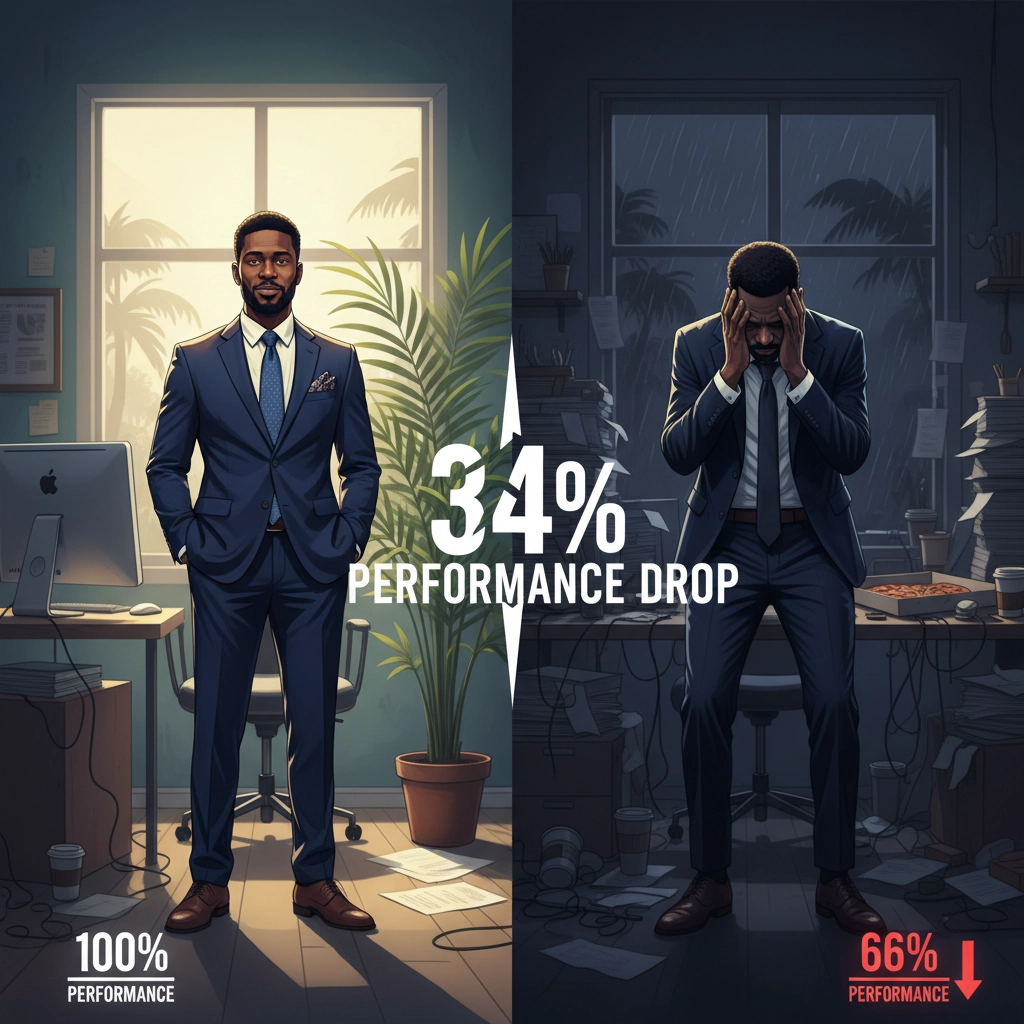
These aren't just bodies filling seats. When your best leaders hit the wall, their effectiveness drops by 34%. Think about what that means: the people you're counting on to drive results, make critical decisions, and guide your teams through change are operating at two-thirds capacity.
They're not choosing to underperform. They're running on empty, trying to execute strategy while their cognitive resources are depleted. Decision-making becomes harder. Strategic thinking suffers. The very capabilities that made them valuable leaders start deteriorating.
The Domino Effect on Your Pipeline
But here's the part that really hurts: burnt-out leaders can't develop other leaders. When they're in survival mode, mentoring falls by the wayside. Those crucial developmental conversations don't happen. Your high-potential employees lose the guidance they need to step up.
You're not just losing current leadership capacity: you're destroying your ability to build future leaders. It's like taking out a loan against your organization's tomorrow to pay for today's changes.
Why Traditional Approaches Fall Short
Most organizations try to solve change fatigue the same way they approach other performance issues: more training, better communication, clearer processes. But change fatigue isn't a skills problem or a communication problem. It's a human capacity problem.
Every person has finite resources: energy, attention, emotional bandwidth. Each organizational change, even positive ones, requires a withdrawal from these reserves. The problem isn't that your leaders can't handle change; it's that they never get the chance to replenish their resources between changes.
Only 30% of leaders report having sufficient time to perform their jobs effectively. When you layer continuous change on top of already overloaded schedules, something has to give. And what gives is usually their ability to think strategically, support their teams, and maintain the engagement that makes them effective leaders.
The Leadership Development Disconnect
Here's what I see in most organizations: they invest heavily in leadership development programs focused on skills and competencies, but they ignore the foundational issue of sustainable capacity. You can teach someone advanced strategic thinking, but if they're operating in a constant state of change exhaustion, those skills become inaccessible.
Traditional leadership coaching often focuses on performance optimization: how to be more efficient, more productive, more strategic. But when someone is dealing with change fatigue, optimization isn't the answer. Recovery and realignment are.
This is why surface-level coaching fails with burnt-out leaders. They don't need another framework for time management or a new model for decision-making. They need space to reconnect with their core purpose, understand what truly drives them, and create sustainable practices that can withstand organizational turbulence.
What Actually Works: Deep Alignment Over Quick Fixes
The organizations that successfully navigate continuous change without burning out their leaders do something fundamentally different. Instead of just managing change, they align change with human capacity and individual purpose.
Individual Leader Development Over Broad Initiatives
Smart companies are shifting their investment from broad culture change initiatives to focused individual leader development. Why? Because when you strengthen individual leaders at their core: helping them understand their values, their purpose, and their sustainable operating rhythms: they become naturally more resilient to change.
This isn't about making people tougher or more adaptable. It's about helping them develop internal anchors that remain stable even when everything else is shifting. When leaders have clarity about their core purpose and values, they can navigate changes with much less energy depletion.

Coaching That Goes Beyond Performance
The coaching approaches that actually work with change-fatigued leaders focus on integration rather than optimization. Instead of adding more tools to their toolkit, we help them understand how to use their existing strengths more sustainably.
This means exploring questions like: What energizes you versus what drains you? Where are you operating out of alignment with your values? What would sustainable high performance look like for you personally? How can you maintain your effectiveness without sacrificing your well-being?
Creating Recovery Rhythms
The most successful leaders I work with have learned to build recovery into their rhythm, not as an afterthought but as a strategic necessity. This isn't about work-life balance: it's about understanding that sustainable high performance requires intentional renewal.
Some build micro-recoveries into their days: five minutes of reflection between meetings, walking conversations instead of conference room discussions, or starting each week with purpose alignment rather than task management. Others create more substantial recovery periods between major initiatives, treating the gap between changes as intentionally as they treat the changes themselves.
The Hybrid Coaching Solution
For executives who think they don't have time for deep development work, hybrid coaching models offer a practical solution. Instead of requiring large time commitments for traditional coaching, these approaches integrate development work into existing responsibilities and decision-making processes.
This might look like strategic coaching conversations that happen during regular business reviews, or development work that focuses on real challenges the leader is already facing. The key is making the coaching immediately applicable to current situations while building long-term capacity and resilience.
Moving Forward: Protecting Your Leadership Investment
If you're recognizing your organization in this description, you're not alone, and you're not stuck. The first step is acknowledging that change fatigue is a strategic threat, not just a morale issue.
Start by honestly assessing your current state. Which of your key leaders are showing signs of change exhaustion? Who's performing below their historical standards? Who's talking about leaving, or worse, quietly disengaging?
Then, instead of launching another change management initiative, consider investing in deep individual development for these critical leaders. Help them reconnect with their purpose, understand their sustainable operating rhythms, and develop practices that can maintain their effectiveness even during turbulent times.
The organizations that thrive in the coming years won't be the ones that manage change most efficiently. They'll be the ones that develop leaders who can navigate continuous change while maintaining their effectiveness, engagement, and well-being.
Your best leaders don't need to be casualties of organizational agility. With the right approach, they can become the foundation of sustainable transformation.

