


"I don't have time for coaching."
If you're an executive, you've probably said this. Maybe you've thought it while scrolling through LinkedIn posts about personal development, or when HR mentioned that leadership coaching program again.
Here's the thing: you're not wrong about being busy. But you might be wrong about what modern coaching actually looks like.
The coaching world has evolved way beyond those hour-long weekly sessions that require you to block out chunks of your already-packed calendar. Enter hybrid coaching models: a game-changing approach that's designed specifically for people who think they don't have time for transformation.
What Hybrid Coaching Actually Means
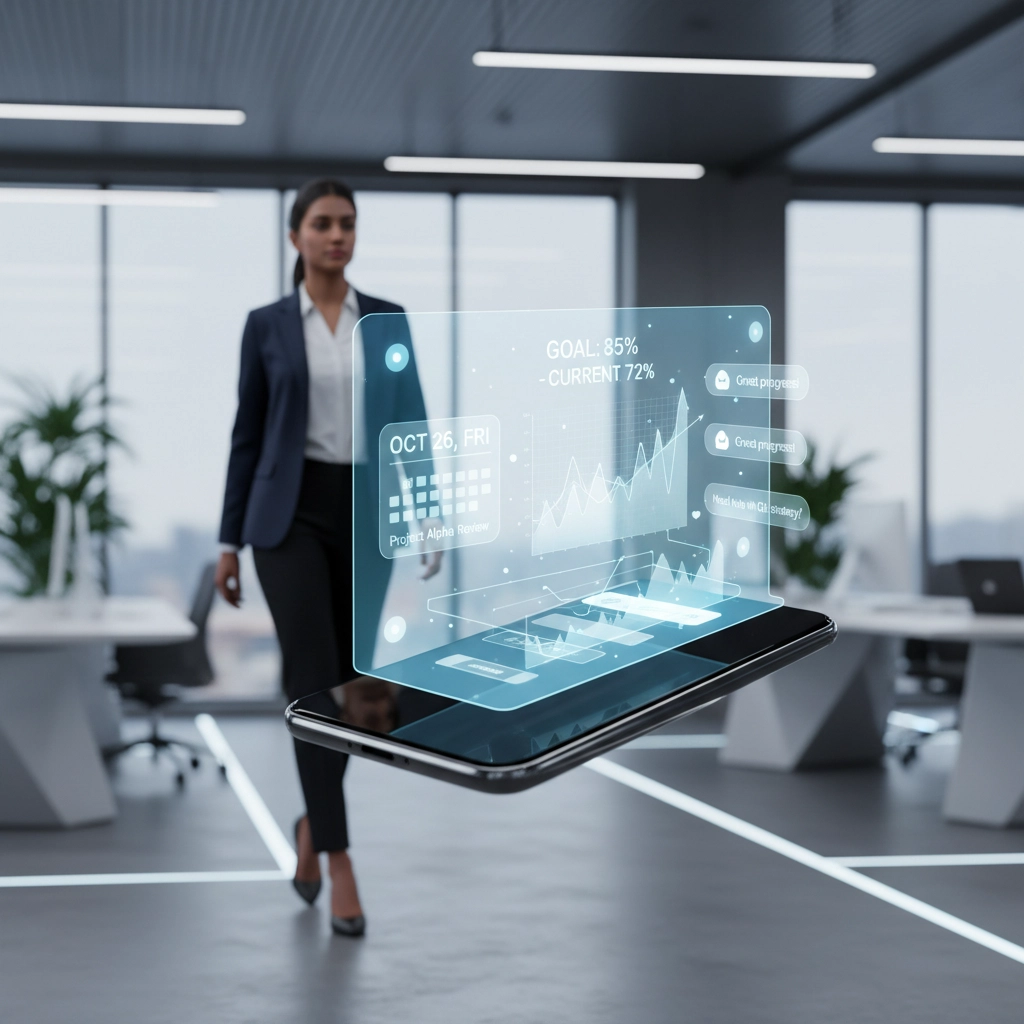
Let's get clear on what we're talking about. Hybrid coaching isn't just "sometimes we meet in person, sometimes over Zoom." It's a sophisticated blend of AI-powered tools, digital platforms, and strategic human interaction that creates a coaching experience built for your reality.
Think of it as having a coaching team that never sleeps. The AI component handles data analysis, pattern recognition, and routine check-ins. The human coach provides strategic insight, emotional intelligence, and those breakthrough moments that only happen in real conversation. And the digital platforms keep everything flowing seamlessly in the background.
Why Traditional Coaching Fails Busy Executives
Traditional coaching was designed for a different world. The model assumes you can commit to regular, lengthy sessions at consistent times. It assumes your biggest barrier to growth is lack of insight, not lack of time.
But executive reality looks different. Your calendar changes by the hour. You're juggling multiple time zones. You're making decisions that affect hundreds or thousands of people, and taking two hours every week for "personal development" can feel selfish or impractical.
The result? Most executives either skip coaching entirely or start programs they can't sustain. They feel guilty about missing sessions, coaches get frustrated with inconsistent engagement, and everyone walks away thinking coaching "doesn't work" for senior leaders.
How Hybrid Models Solve the Time Problem
Here's where hybrid coaching gets brilliant. Instead of fighting your schedule, it adapts to it.
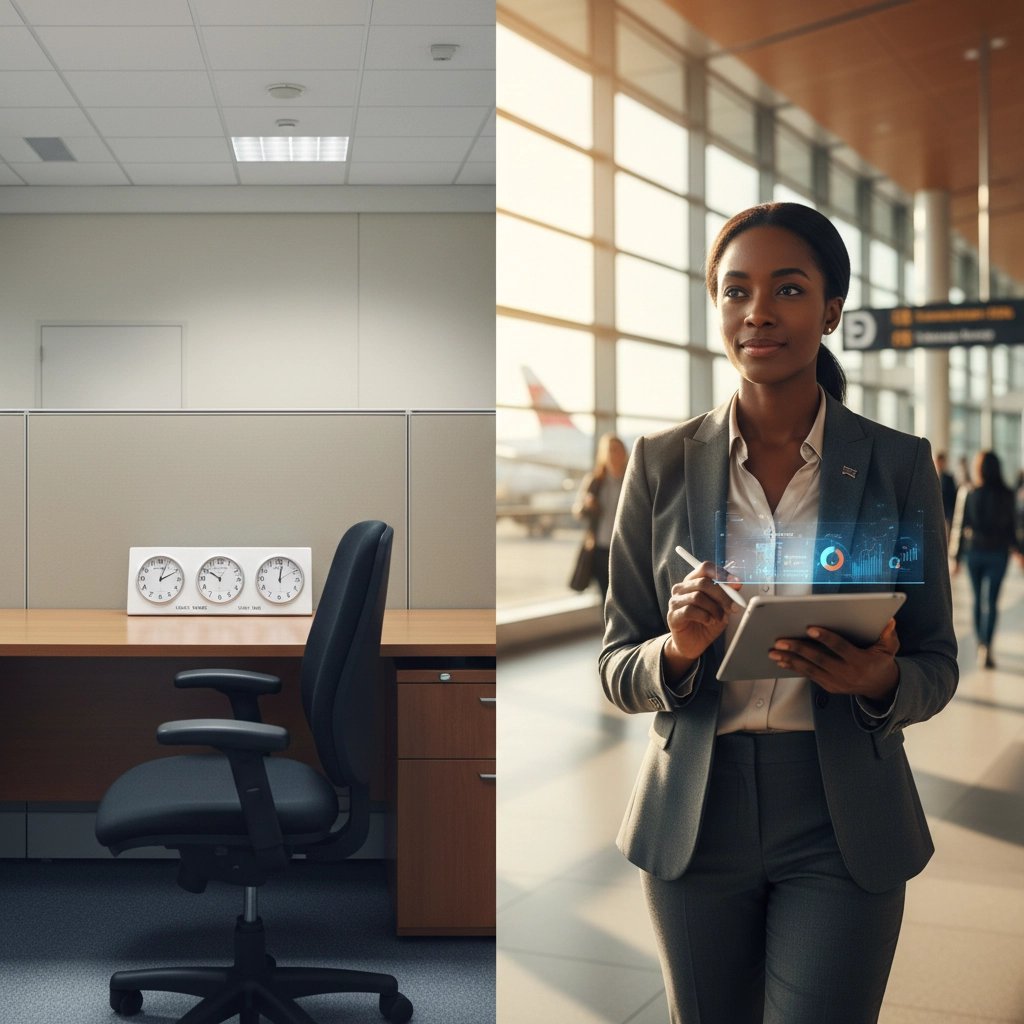
Flexible Touchpoints: Need to squeeze in a 15-minute check-in between board meetings? The platform makes it possible. Flying to London and have three hours to kill? Perfect time for deeper work. The system meets you where you are, when you're available.
Continuous Progress Without Continuous Meetings: The AI component works 24/7, tracking patterns in your communication, energy levels, decision-making, and goal progress. It's like having a coaching assistant that never misses a detail and is always ready with insights when you need them.
Streamlined Administration: No more playing phone tag to reschedule sessions or sending long email updates about your progress. The technology handles scheduling, progress tracking, and communication flow, so you can focus on the actual work of transformation.
The Power of Always-On Support
One of the biggest advantages of hybrid coaching is that support doesn't stop when the session ends. Traditional coaching gives you an hour a week: the rest of the time, you're on your own with whatever insights you managed to absorb.
Hybrid models flip this completely. The AI component provides gentle nudges, relevant resources, and pattern recognition throughout your week. Hit a familiar stress trigger? The system recognizes it and offers targeted strategies. Notice you're making great progress on delegation? It reinforces the behavior with personalized encouragement.
This isn't about replacing human insight: it's about amplifying it. Your human coach gets richer data about your actual patterns and challenges, making your time together exponentially more valuable.
Real Results, Faster
The efficiency gains aren't theoretical. Organizations report a 31% increase in team performance after implementing hybrid coaching systems. But the individual results are even more compelling.
Executives using hybrid models typically see breakthrough moments in areas they've struggled with for years. Why? Because the system catches patterns and provides interventions at the exact moment they're most useful, not just during scheduled sessions.
Think about it: how many times have you had a coaching session where you wished your coach could have been there for that crucial meeting yesterday, or that difficult conversation with a board member? Hybrid models bridge that gap by providing real-time support and post-situation analysis.
Addressing the Skeptic's Checklist
"But I need that human connection." You still get it: just more strategically. Your face-to-face time with your coach becomes laser-focused on the challenges and insights that truly require human wisdom. Meanwhile, the routine stuff gets handled efficiently through technology.
"I don't trust AI with sensitive information." Fair concern. The best hybrid platforms use enterprise-grade security and give you complete control over what data you share. Many executives find they're more honest with AI about certain challenges, leading to better insights overall.
"I'm already overwhelmed by technology." Hybrid coaching platforms are designed for simplicity, not complexity. The goal is to reduce your mental load, not add to it. Most executives find the technology fades into the background while the benefits compound.
The Transformation You Didn't Know You Had Time For
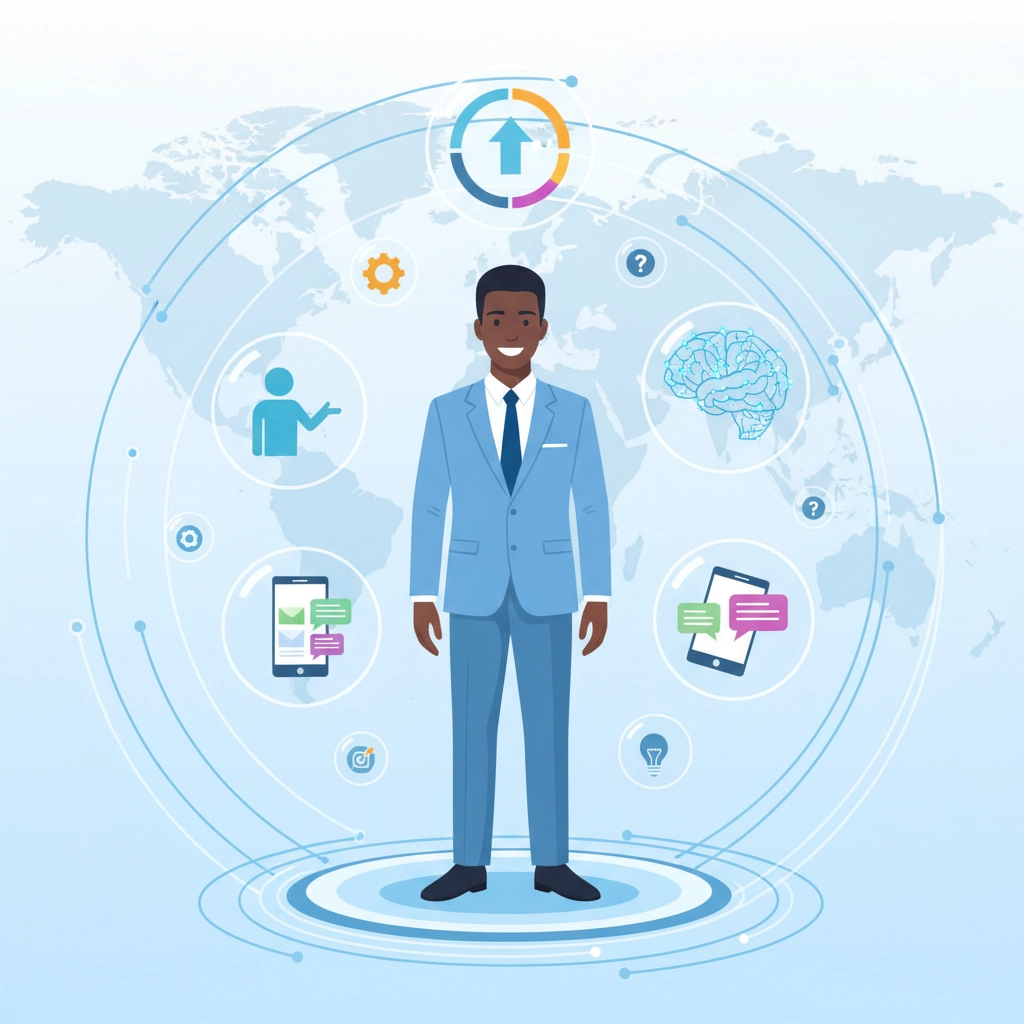
Here's what hybrid coaching really offers busy executives: transformation that happens in the margins of your existing life rather than requiring you to create new space for it.
Your morning coffee routine becomes a time for quick insight reviews. Your commute includes brief audio coaching sessions. Your weekend includes 20 minutes of strategic reflection instead of hours of intensive work.
The result is sustainable change that builds momentum rather than creating additional pressure. You're not trying to fit transformation into your calendar: you're weaving it into the fabric of how you already operate.
Making the Decision
The executives who benefit most from hybrid coaching aren't the ones who have endless time for personal development. They're the ones who are clear about their priorities and strategic about their investments.
They recognize that their effectiveness as leaders directly impacts their organizations, their teams, and their own fulfillment. They understand that transformation isn't a luxury: it's a competitive advantage.
Most importantly, they're willing to challenge their assumptions about what coaching looks like and how change happens.
If you've been telling yourself you don't have time for coaching, you might be right about traditional models. But if you're open to a different approach: one designed specifically for your reality: hybrid coaching might be exactly what you've been looking for without knowing it existed.
The question isn't whether you have time for transformation. It's whether you can afford not to explore the models that make it possible within the time you actually have.

