

Let's be honest – traditional coaching sessions can sometimes feel a bit dry or intimidating. That's where life coaching games come in. These aren't your typical board games or party icebreakers. They're powerful tools designed to unlock insights, build connections, and create breakthrough moments in a way that feels natural and engaging.
Life coaching games are interactive exercises that help people develop skills, gain self-awareness, and work through challenges without the pressure of formal therapy or heavy-handed instruction. Think of them as the secret sauce that transforms a potentially awkward coaching session into something people actually look forward to.
Why Games Work So Well in Coaching
There's real science behind why games are so effective. When we're playing, our defenses naturally drop. We're more open to feedback, more willing to try new things, and less worried about looking perfect. Games tap into our natural curiosity and competitive spirit while creating a safe space to explore difficult topics.
Plus, games make abstract concepts tangible. Instead of just talking about "life balance," you can actually see it mapped out in front of you. Instead of describing communication styles, you can experience them firsthand through role-playing exercises.
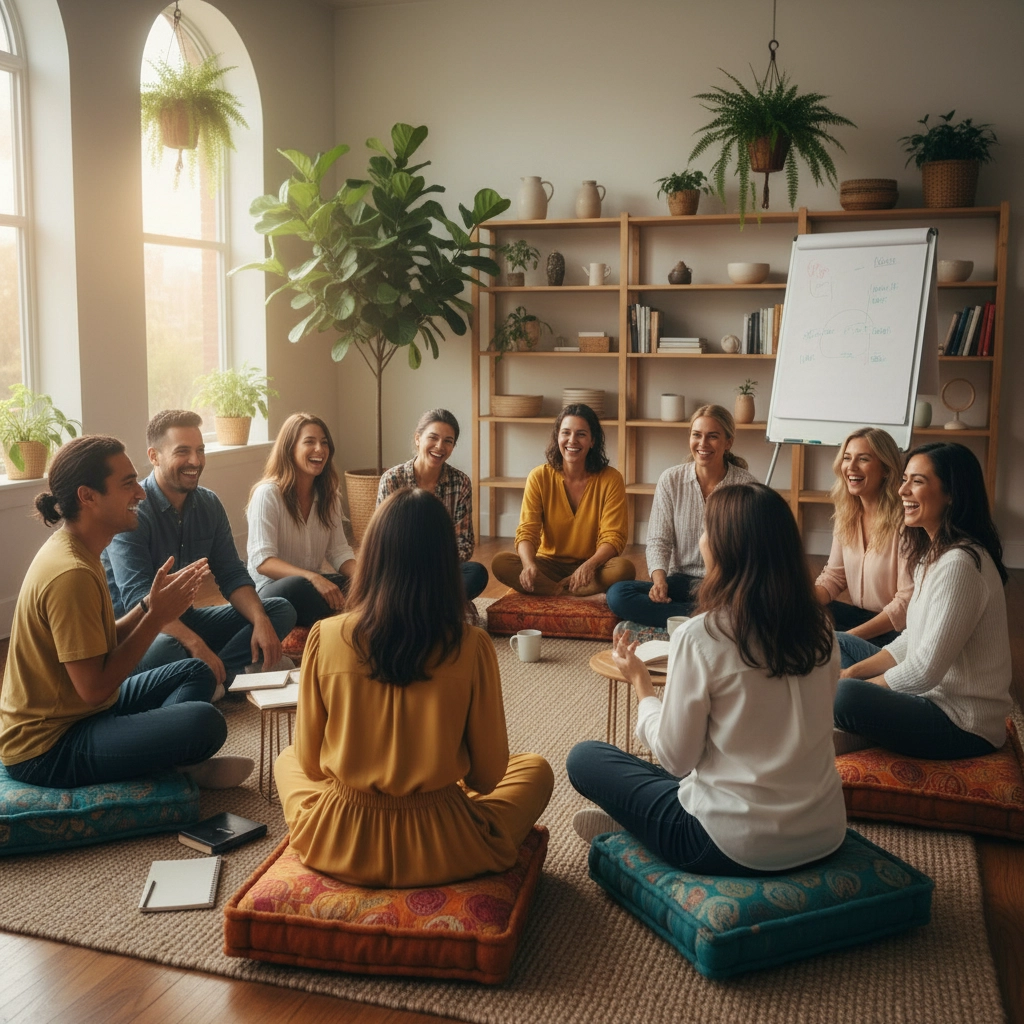
Icebreaker and Connection Games
Starting a coaching session with the right energy makes all the difference. These games help break down barriers and get everyone comfortable.
The One Word Check-In
This simple exercise asks participants to share one word describing how they're feeling right now or what they hope to gain from the session. It's quick, non-threatening, and immediately gives you insight into where everyone's head is at.
Modified Charades
Instead of acting out movies, participants act out emotions, life situations, or goals. It gets people laughing and thinking creatively while exploring important themes. Watch how someone acts out "confidence" – you'll learn a lot about their relationship with that concept.
Values Scavenger Hunt
Give participants a list of values and have them find objects (either in person or virtually) that represent each one. When someone picks up a photo to represent "family" or grabs their running shoes for "health," the conversations that follow are pure gold.
Reflection and Assessment Games
These games help people take stock of where they are and where they want to go.
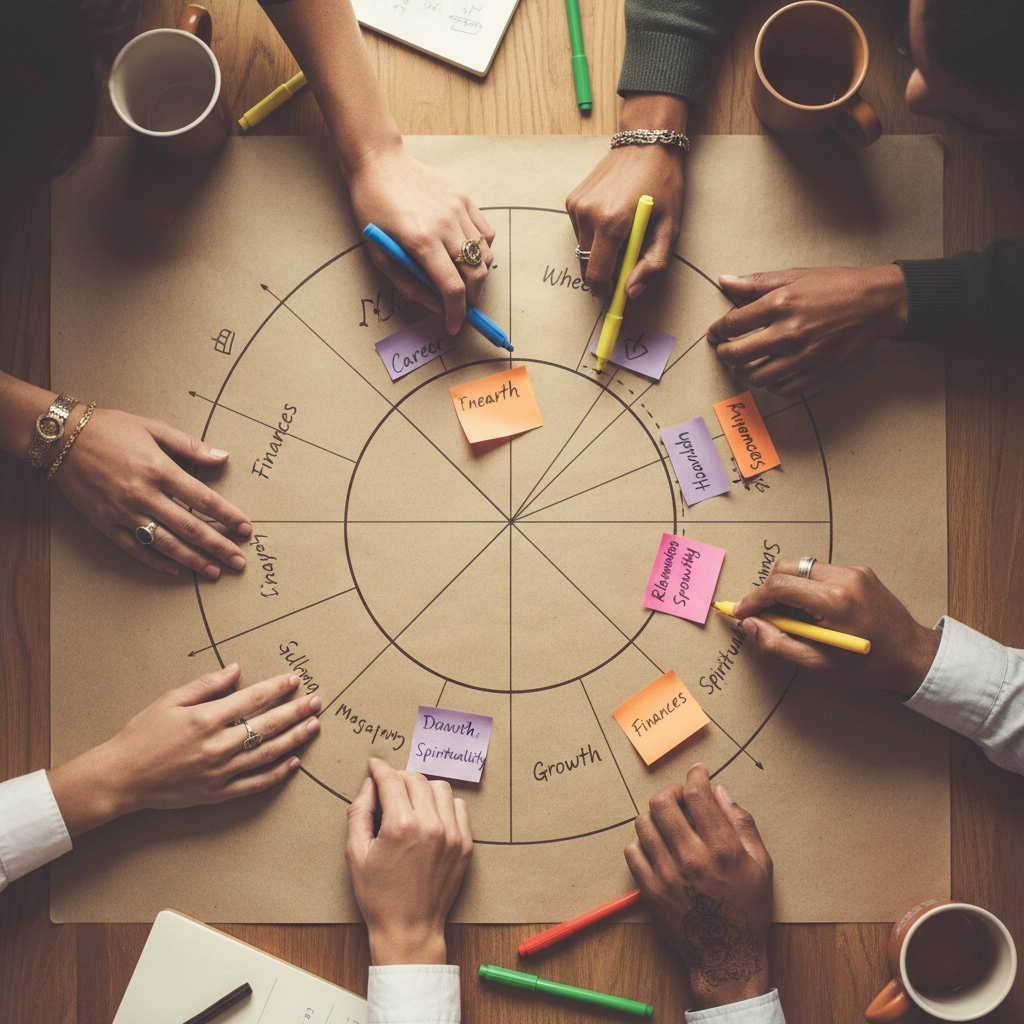
The Wheel of Life
This classic coaching tool divides life into 8-10 categories like career, relationships, health, and finances. Participants rate their satisfaction in each area on a scale of 1-10, creating a visual representation of their life balance. The uneven wheel that emerges shows exactly where attention is needed.
Timeline Treasure Hunt
Participants create a timeline of significant life events, then identify patterns, strengths they've used to overcome challenges, and resources they can tap into moving forward. It's amazing how this simple exercise helps people see their own resilience.
The Future Self Interview
This exercise has participants imagine they're 80 years old, looking back on their life. They write advice to their current self from this wise, future perspective. The insights that emerge are often profound and surprisingly practical.
Collaborative Problem-Solving Games
These work especially well in group coaching settings or when working with couples and families.
Desert Island Decisions
Present a scenario where the group is stranded on a desert island and can only bring five items. The magic isn't in the items themselves – it's in how people negotiate, compromise, and advocate for their choices. You'll see leadership styles, communication patterns, and decision-making processes in action.
Story Building
One person starts a story with a single sentence, then each participant adds one sentence. The collaborative narrative that emerges often reflects the group's collective hopes, fears, and dynamics. Plus, it's usually pretty entertaining.
Solution Marketplace
When someone presents a challenge, other participants "sell" them potential solutions like vendors in a marketplace. The person with the problem gets to "shop" for ideas, asking questions and negotiating terms. It transforms problem-solving from advice-giving into collaborative exploration.
Personal Development Games
These games help individuals dig deeper into their patterns, beliefs, and possibilities.
The Belief Detective
Participants become detectives investigating their own limiting beliefs. They gather "evidence" for and against beliefs like "I'm not creative" or "I can't change careers at my age." Often, the case falls apart under scrutiny, opening up new possibilities.
Energy Mapping
Have participants track their energy levels throughout a typical week, noting what activities, people, and environments drain or energize them. The visual map that emerges becomes a roadmap for making better choices about how they spend their time.
The Gratitude Game Show
Turn gratitude practice into a game show format where participants compete to come up with the most creative, specific, or surprising things they're grateful for. Categories might include "Tiny Moments," "Difficult Lessons," or "Unexpected Gifts."

Relationship and Communication Games
These games are perfect for couples coaching or team building.
Appreciation Auction
Participants get a budget of "appreciation dollars" to spend acknowledging others' contributions. They bid on the right to give specific compliments or recognition. It's a fun way to ensure positive feedback gets shared and received.
Communication Styles Speed Dating
Set up stations representing different communication styles (direct, supportive, analytical, expressive). Participants rotate through, practicing the same conversation in each style. It's eye-opening to see how different approaches land.
The Listening Game
One person tells a story while others can only ask questions – no advice, suggestions, or comments. The storyteller experiences being truly heard, while the listeners practice genuine curiosity without trying to fix or judge.
Implementation Tips
Start small. Don't try to gamify an entire session on your first attempt. Pick one game that fits your client's personality and comfort level. Some people love competitive elements, while others prefer collaborative activities.
Read the room. If someone seems uncomfortable with a particular exercise, have alternatives ready. The goal is engagement, not embarrassment.
Debrief thoroughly. The real coaching happens in the discussion after the game. Ask questions like "What did you notice?" "What surprised you?" and "How does this connect to your life outside this room?"

Making Games Your Own
The best coaching games are often simple frameworks you adapt to your specific clients and situations. A basic "rate your satisfaction" exercise can become a game about anything – rate your confidence in different situations, your excitement about various goals, or your stress levels across different life areas.
Remember, you're not trying to become a game show host. You're using play as a pathway to insight and growth. The game is just the vehicle – the destination is always greater self-awareness and positive change.
The beauty of life coaching games is that they make the coaching process feel less like work and more like discovery. When people are engaged and having fun, they're more open to feedback, more willing to be vulnerable, and more likely to remember and apply what they learn.
Whether you're working with individuals or groups, these games can transform your coaching practice from something people endure to something they eagerly anticipate. And isn't that exactly the kind of environment where real transformation happens?

