


Let's be real for a second. Nobody goes into leadership dreaming about the day they'll have to let people go. But here we are, living in an era where AI is reshaping entire industries, and sometimes tough decisions become unavoidable. The question isn't whether layoffs will happen: it's how you'll handle them when they do.
The difference between leading layoffs like a coach versus a boss isn't just semantic. It's the difference between treating people like line items on a spreadsheet and recognizing them as humans going through one of the most challenging experiences of their professional lives.
The Coach vs. Boss Mindset: What's Really Different?
When most leaders think "boss," they think about delivering decisions from the top down. You make the call, you communicate it, and you move on. But coaching? That's about showing up with presence, empathy, and genuine care for the people experiencing massive life changes.
A boss delivers bad news. A coach supports people through transitions.
This distinction becomes even more critical when layoffs are driven by technological shifts. Your employees are already dealing with uncertainty about their future relevance in an AI-driven world. The last thing they need is to feel disposable in the process.

Preparing Your Managers to Be Coaches, Not Messengers
Here's something most companies get wrong: they treat managers like messengers instead of equipping them to be coaches during these conversations. Your managers are on the frontlines, but many are completely unprepared for the emotional weight of these discussions.
The GROW coaching model works brilliantly here:
Goal: Help your managers clarify their intention. Ask them: "When this conversation is over, what would make you feel like you handled it well?" This shifts their mindset from "get through this quickly" to "support this person with dignity."
Reality: Ensure they understand the actual situation, constraints, and what support is available.
Options: Explore different approaches to delivering difficult news with genuine empathy.
Will: Get their commitment to following through with respect and care, not just checking a box.
This framework transforms managers from corporate message-deliverers into people who can actually hold space for employee emotions during one of their worst professional days.
The Art of Delivering Life-Changing News
The medium matters. A lot. If you're telling someone their job is ending via email or Slack, you've already failed. These conversations need to happen face-to-face or at minimum via video call, and they need to come from someone who actually has a relationship with the employee: their direct manager or a senior executive they know.
When you're in that room (virtual or otherwise), ditch the corporate speak. Don't say "we're rightsizing" or "optimizing our workforce." Be direct: "We're eliminating your position, and today is your last day." Then acknowledge how hard this is: "I know this is shocking news, and I'm sorry we're in this situation."
Recognize their contributions. Be specific. "The project you led last quarter exceeded every expectation we had" hits differently than "we appreciate your service to the company." One feels human; the other feels like a template.

Beyond the Severance Check: Creating Real Support Systems
Here's where coaching leadership really shows up. A boss hands over a severance package and walks away. A coach asks: "What do you need to land well?"
Comprehensive support looks like:
- Prompt and fair severance (obviously, but don't drag this out)
- Outplacement services and career coaching to help them navigate what's next
- Access to job listings and internal opportunities where they make sense
- Clear guidance on health insurance and financial planning assistance
- Counseling resources for the emotional side of job loss
- For visa employees: immediate clarity on legal options and requirements
This isn't just about being nice (though it is nice). It's strategic. How you treat departing employees becomes a story that spreads: internally and externally. Do you want that story to be about an organization that throws people away, or one that supports people through difficult transitions?
Don't Forget the Survivors
Here's what many leaders miss: the people who stay are watching everything. They're processing how you treat their departing colleagues and wondering if they still believe in this company.
"Survivor guilt" is real. Remaining employees often feel anxious, uncertain about their own security, and conflicted about being relieved they weren't chosen. They're also questioning whether the company's values are authentic or just wall art.
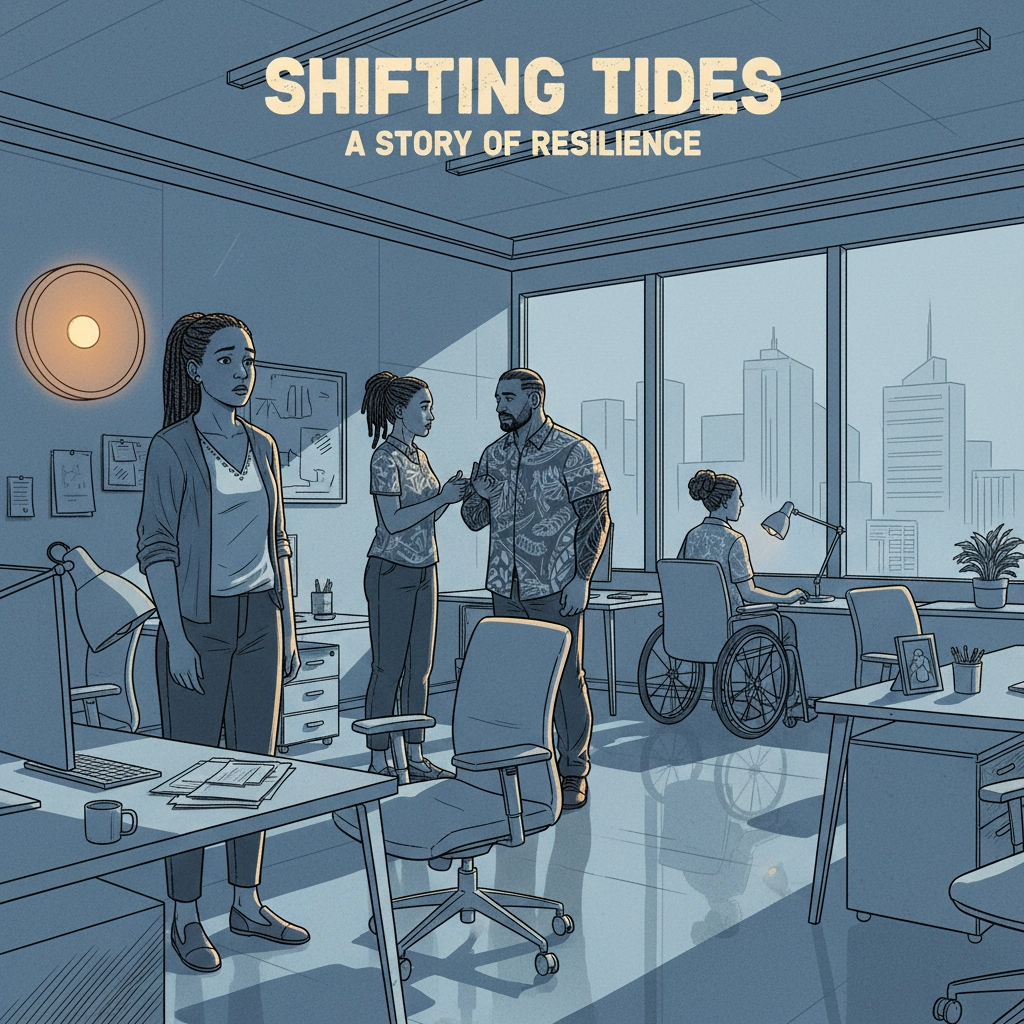
Rebuilding psychological safety means:
- Being crystal clear about the path forward and what the organization's priorities are now
- Reaffirming company values through actions, not just words
- Creating space for honest dialogue about concerns and fears
- Listening as much as you're talking in team meetings and one-on-ones
- Reinforcing that remaining staff are valued and their positions are secure (if that's true)
Make sure your managers have consistent talking points so employees aren't hearing different stories across departments. Mixed messages destroy trust faster than almost anything else.
Allowing Grace in the Process
When possible, give people time. Adequate notice before layoffs allows employees to process, wrap up their work meaningfully, and say proper goodbyes to colleagues. This respects their dignity and helps them maintain professional relationships that might be valuable down the road.
If security concerns require immediate departure, find other ways to honor their contributions: a team email highlighting their achievements, LinkedIn recommendations from leadership, or connecting them with your network for potential opportunities.
Why This Matters More in the AI Era
We're living through a unique moment in business history. Employees are already anxious about whether their skills will remain relevant as AI capabilities expand. When layoffs happen in this context, people aren't just losing jobs: they're confronting existential questions about their professional worth and future.
Leading with a coaching mindset during these transitions shows your organization understands this isn't just about reducing headcount. It's about managing human beings through significant life changes thoughtfully and with dignity.

This approach transforms what could be a bitter, resentful departure into something different. Former employees become ambassadors instead of detractors. Your employer brand stays intact. Current staff see evidence that the organization genuinely cares about people, even when making difficult decisions.
The Ripple Effect of Coaching Through Crisis
When you handle layoffs with humanity and transparency, the benefits extend far beyond the departing employees. You protect your culture, prevent trust erosion among current staff, and avoid long-term damage to your employer brand that makes future hiring harder.
Conversely, poorly managed layoffs create lasting damage. They signal that the organization doesn't actually value people when it matters most. Remaining employees become disengaged, productivity drops, and your reputation in the market suffers.
Making Hard Decisions with Heart
The goal isn't to make layoffs painless: that's impossible. The goal is to do what's necessary with clarity, compassion, and genuine care for the humans involved. This means maintaining positive relationships and organizational integrity even through significant change.
As leaders in an AI-driven world, we have a choice in how we navigate these inevitable transitions. We can treat people as disposable resources, or we can recognize that how we handle our most difficult moments defines who we really are as organizations.
The coaching approach isn't just more humane: it's better business. It preserves relationships, protects culture, and demonstrates the kind of leadership people want to follow, even through uncertainty.
When change is the only constant, how you lead through that change becomes your legacy.

