

Life is one big consequence game, whether we realize it or not. Every choice we make creates a ripple effect that shapes our reality. Yet most of us stumble through decisions without really thinking about what comes next.
As coaches, we see this all the time. Clients come to us wondering why their life feels stuck or chaotic, not realizing they've been playing a game where they never learned the rules. The Consequence Game isn't about punishment or blame, it's about understanding the powerful connection between our actions and outcomes.
Think of it this way: you're already playing. The question is whether you're playing consciously or just letting things happen to you.
What Is The Consequence Game?
The Consequence Game is a mental framework that helps people trace the line between their decisions and their results. It's not about predicting the future perfectly, that's impossible. Instead, it's about developing the awareness to see patterns and make better choices.
Every action has a reaction. Every decision opens some doors and closes others. Every habit we build or break changes who we become. The game is about getting good at seeing these connections before they play out, not after.

When someone tells me they're "unlucky" or that "things just happen to them," I know they haven't learned to play consciously yet. They're reacting instead of responding, making decisions based on impulse rather than intention.
But here's the thing, once you start seeing the game clearly, everything changes. You realize you have way more control over your life than you thought. That's where the real power lies.
The Rules Everyone Forgets
Most people think consequences only matter when something goes wrong. They wait until there's a crisis to start paying attention. But the most important consequences are often the quiet, daily ones that compound over time.
Rule #1: Small choices have big consequences. The decision to check your phone first thing in the morning versus starting with intention. The choice to have that difficult conversation or keep avoiding it. These tiny moments shape everything.
Rule #2: Non-decisions are still decisions. When you don't choose, you're still choosing. You're choosing to let circumstances decide for you. That's a consequence too.
Rule #3: Consequences aren't always immediate. Some results show up in weeks, months, or even years. The workout you skip today won't ruin your health, but the pattern of skipping workouts will.
Rule #4: Positive consequences count too. We get so focused on avoiding bad outcomes that we forget to create good ones. What would happen if you started each day with gratitude? What if you always followed through on your commitments?
Playing Consciously
The difference between conscious and unconscious players is simple: conscious players pause and ask "What happens next?" before making decisions. They've trained themselves to see beyond the immediate moment.
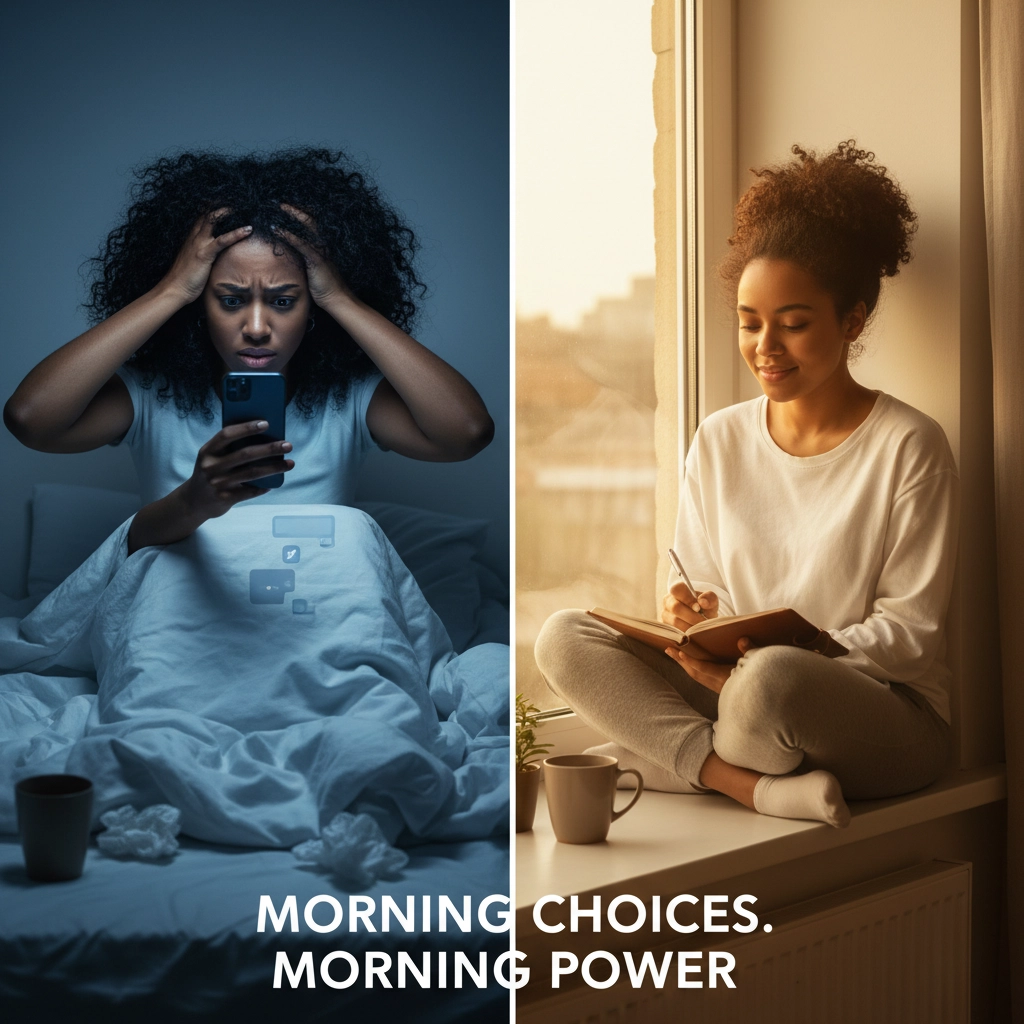
I worked with a client, let's call her Sarah, who was constantly overwhelmed at work. She couldn't understand why her days felt so chaotic until we played the consequence game with her morning routine.
Sarah would wake up, immediately check emails in bed, then rush to get ready while mentally spinning about everything she'd just read. By the time she got to work, she was already reactive and scattered.
We traced this pattern: checking emails → anxiety spike → rushing → arriving frazzled → making poor decisions all day → feeling like she couldn't catch up. One small choice at the beginning was setting the tone for everything that followed.
When Sarah started her day with 10 minutes of planning instead of email, her entire work experience shifted. Same job, same responsibilities, completely different outcomes. That's the consequence game in action.
The Three-Step Process
Here's how to start playing consciously:
Step 1: Pause Before Deciding
Before making any choice, big or small, take a breath. This interrupts the automatic response pattern most people live in. You can't play consciously if you're always on autopilot.
Step 2: Ask "What's Likely to Happen?"
Think through the probable outcomes of your choice. Not just the immediate result, but the secondary and tertiary effects. If I say yes to this request, what else am I saying no to? If I have this conversation now, where might it lead?
Step 3: Choose Based on Desired Outcomes
Make your decision based on which consequences align with your goals and values. This doesn't mean you'll always choose the "easy" path, sometimes the harder choice leads to better long-term results.

Common Patterns We See
After years of coaching, certain consequence patterns show up repeatedly. Recognizing these can help you spot them in your own life.
The Avoidance Cascade: Someone avoids a difficult conversation, which makes the problem bigger, which makes them avoid it more, which makes it even bigger. Eventually, a small issue becomes a major crisis.
The Comfort Zone Trap: Every time someone chooses comfort over growth, they reinforce their current limitations. The consequence isn't just missing one opportunity, it's programming themselves to keep missing opportunities.
The Overwhelm Loop: Saying yes to everything because they don't want to disappoint anyone. The consequence is becoming so overcommitted they can't do anything well, disappointing everyone including themselves.
The Perfection Paralysis: Waiting for the perfect plan before taking action. The consequence is that nothing ever gets started, and opportunities pass by while they're still planning.
Reframing Negative Outcomes
Here's something important: not all negative outcomes are "bad" consequences. Sometimes the best long-term result requires short-term discomfort.
Setting boundaries might upset some people, but the consequence is self-respect and healthier relationships. Leaving a comfortable job to start a business might feel scary, but staying might be scarier in the long run.
The consequence game isn't about avoiding all negative feelings or outcomes. It's about being intentional about which trade-offs you're willing to make.

Teaching Others to Play
As coaches, we can help clients develop this awareness by making consequences visible. Instead of giving advice, we can guide them to see patterns for themselves.
"What happened the last three times you made a similar decision?"
"If you continue this pattern for six months, where do you think you'll be?"
"What would need to change for you to get different results?"
These questions help people connect their choices to their outcomes. Once they see the game clearly, they can start playing it differently.
The Ripple Effect
The most powerful part of the consequence game is understanding that your choices don't just affect you. Every decision sends ripples through your relationships, your work, and your community.
When you start showing up differently, other people notice. When you stop tolerating what doesn't serve you, you give others permission to do the same. When you choose growth over comfort, you inspire others to stretch themselves too.

Making It Practical
Start small. Pick one area of your life where you want different results. Trace the consequence chain backward from the current outcome to the choices that created it. Then trace it forward from a different choice to see where it might lead.
Maybe you want better relationships. What small daily choices contribute to connection or distance? How you listen, respond to texts, show appreciation: these tiny decisions compound into the quality of your relationships.
Or maybe you want to feel more energetic. What choices affect your energy? Sleep, food, movement, but also the conversations you have and the content you consume. Everything is connected.
The consequence game isn't about perfection. It's about awareness. Once you start seeing the connections, you can't unsee them. And that's when everything begins to change.
You're already playing this game every day. The only question is whether you're playing consciously or letting random choices shape your life. The power to change your results is in your hands: you just need to start paying attention to how you're using it.

