

What if I told you that thinking about your death could be the most life-changing thing you do this year? Sounds morbid, right? But hear me out.
The End of Life Strategy isn't about being depressing or dwelling on mortality. It's actually one of the most powerful coaching tools for gaining crystal-clear perspective on what really matters in your life. When you strip away all the noise and imagine looking back from your final moments, everything becomes remarkably clear.
What Is the End of Life Strategy?
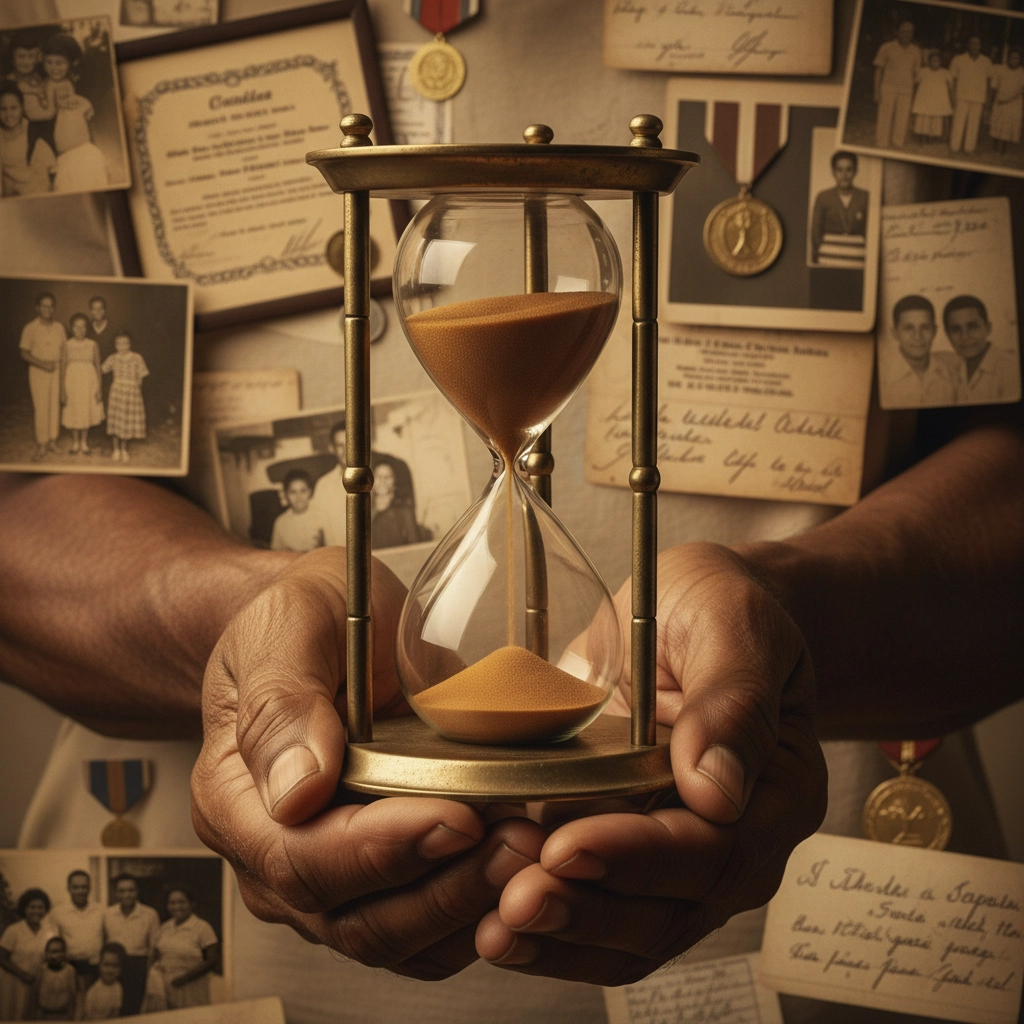
The End of Life Strategy is a reflective exercise that asks you to imagine yourself at the end of your life: whether that's on your deathbed, at your funeral, or as a very old person looking back. From that vantage point, you examine your current choices, priorities, and direction.
It's not about being morbid or depressing. It's about gaining the ultimate perspective check. When you remove the urgency of daily life and look at the bigger picture, you often discover that the things stressing you out today won't matter much in the grand scheme of things.
This strategy works because it forces you to think beyond the immediate. Instead of getting caught up in daily dramas, quarterly targets, or next year's goals, you're looking at your entire life arc. What legacy do you want to leave? What would you regret not doing? What relationships matter most?

Why This Strategy Is So Powerful
Most of us live our lives forward but understand them backward. We make decisions based on immediate pressures, social expectations, or short-term goals. But the End of Life Strategy flips this script. It gives you the wisdom of hindsight before you actually need it.
Think about people who've had near-death experiences or serious health scares. They often talk about sudden clarity: realizing what truly matters and what doesn't. They might quit jobs they hate, repair broken relationships, or pursue dreams they'd been putting off. The End of Life Strategy gives you that same clarity without waiting for a crisis.
It's also incredibly effective because it cuts through the noise of external expectations. Society, family, friends, social media: everyone has opinions about how you should live your life. But when you imagine yourself at 90 years old or at your own funeral, those external voices fade away. What remains is what genuinely matters to you.
How to Use the End of Life Strategy
There are several ways to approach this strategy, and different variations work better for different people. Here are the main approaches:
The Deathbed Reflection
Imagine yourself on your deathbed, surrounded by people you love. You're mentally sharp and can reflect clearly on your life. Ask yourself:
- What am I most proud of?
- What are my biggest regrets?
- What relationships brought me the most joy?
- What work felt most meaningful?
- What experiences am I grateful I didn't miss?
The Funeral Visualization
Picture your funeral or memorial service. What would you want people to say about you? How would you want to be remembered? What impact did you have on others? This version focuses more on legacy and how you affected the world around you.
The 90-Year-Old Self
Imagine meeting yourself at 90 years old. This version of you is wise, has lived through everything, and can offer perspective on your current situation. What advice would your 90-year-old self give you? What would they tell you to focus on or let go of?
Making It Practical
The End of Life Strategy isn't just a philosophical exercise: it's meant to drive real change in how you live now. Here's how to make it actionable:
Step 1: Do the Reflection
Set aside uninterrupted time for this exercise. Find a quiet space where you won't be disturbed. Some people prefer writing their thoughts down, others like to just think through them mentally. Choose whatever feels right for you.
Step 2: Identify Gaps
Compare your ideal end-of-life scenario with how you're currently living. Where are the biggest gaps? Are you prioritizing things that won't matter in the end? Are you neglecting things that will?
Step 3: Make Three Lists
Create three lists based on your reflection:
- Start doing: Things you want to begin or prioritize more
- Stop doing: Things you want to eliminate or reduce
- Keep doing: Things you're already doing that align with your values
Step 4: Take One Action
Don't try to overhaul your entire life at once. Pick one thing from your "start doing" list and one from your "stop doing" list. Take action on these within the next week.
Common Insights from This Strategy
While everyone's reflection is personal, certain themes come up repeatedly when people use the End of Life Strategy:
Relationships matter more than achievements. Most people realize they want to be remembered for how they loved and were loved, not for their job title or bank account.
Experiences trump possessions. The things you own rarely feature prominently in end-of-life reflections, but experiences and memories do.
Authenticity beats approval. Many people realize they've been living to meet others' expectations rather than being true to themselves.
Time is the most valuable resource. This strategy often reveals how much time we waste on things that don't align with our deeper values.
Health enables everything else. Physical and mental wellbeing become clearly important when viewed from life's end.

When to Use This Strategy
The End of Life Strategy is particularly powerful during:
Major Life Transitions
When you're considering big changes: career moves, relationships, relocations: this strategy can provide clarity about what's truly important.
Feeling Stuck or Overwhelmed
If you're feeling pulled in too many directions or unsure about priorities, this exercise can help you focus on what really matters.
Setting Long-term Goals
Instead of setting goals based on what you think you should want, use this strategy to identify what you actually want to achieve in your lifetime.
Decision-Making Moments
When facing difficult choices, asking "What would my 90-year-old self advise?" can cut through confusion and provide clear direction.
Potential Challenges and How to Handle Them
Some people initially resist this strategy because it involves thinking about death. That's completely normal. If you feel uncomfortable, start small. Instead of imagining your deathbed, imagine yourself at 80 looking back on your 40s or 50s.
Others worry it might make them feel depressed or anxious. In practice, most people find it surprisingly uplifting and motivating. It clarifies what matters and often reveals that current stresses are less significant than they seem.
If you find the exercise too overwhelming, consider working with a coach who can guide you through it. Sometimes having support makes these deeper reflections more manageable.
Making It a Regular Practice
The End of Life Strategy isn't a one-and-done exercise. Life changes, priorities shift, and circumstances evolve. Consider revisiting this reflection:
- Annually as part of goal setting or life planning
- During major transitions or decisions
- When you feel off-track or unclear about direction
- Any time you need perspective on current challenges
Some people make it a birthday tradition, others prefer doing it at the start of each year. Find a rhythm that works for you.

Beyond Personal Application
As a coach or someone who influences others, you can also use this strategy to help friends, family, or clients gain clarity. Sometimes asking "What would your 90-year-old self say about this situation?" is more powerful than giving direct advice.
The strategy also works well for teams or organizations. Asking "How do we want to be remembered as a company?" or "What legacy do we want to leave in our industry?" can provide powerful direction for business decisions.
The Ripple Effect
Perhaps the most beautiful thing about the End of Life Strategy is its ripple effect. When you start living more intentionally based on what truly matters, it impacts everyone around you. You become more present in relationships, more focused on meaningful work, and more authentic in your interactions.
People notice when someone is living with clarity and purpose. Your example can inspire others to examine their own priorities and make more intentional choices.
The End of Life Strategy isn't about becoming obsessed with death: it's about becoming more alive. It's about ensuring that when you do reach the end of your life, you can look back with satisfaction rather than regret. And that starts with how you choose to live today.
Ready to give it a try? Set aside some time this week for reflection. Your future self will thank you for it.

