


The executive coaching world just got a major wake-up call. While we've been scheduling monthly check-ins and annual leadership retreats, AI has quietly walked into the boardroom and changed the entire game.
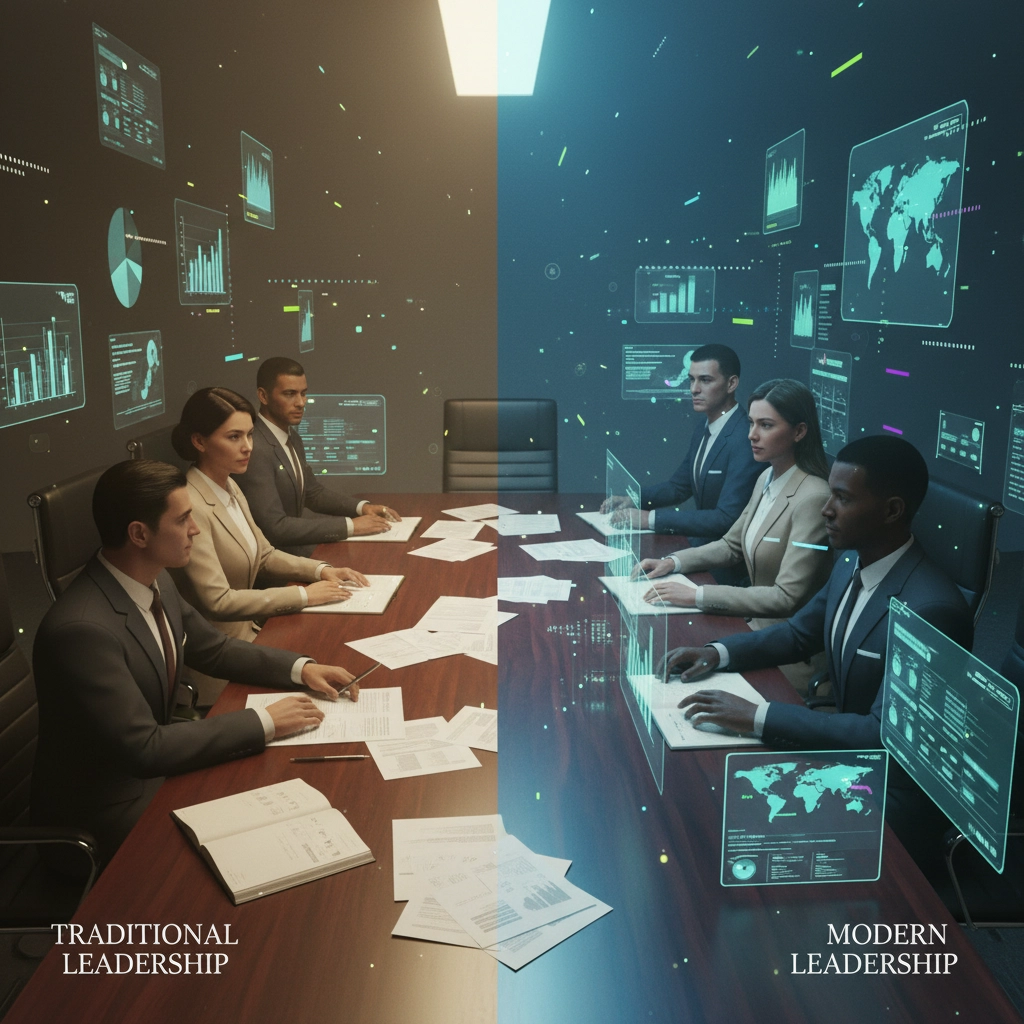
Here's the thing: traditional coaching moves at human speed. AI moves at data speed. And guess which one today's executives are demanding?
The Speed Problem That's Breaking Leadership Development
Think about it. Your typical executive coaching cycle goes something like this: assess, reflect, plan, wait three weeks, meet again, discuss progress, rinse, repeat. Meanwhile, that same executive is making 50 decisions a day, managing three crises, and trying to navigate market changes that happen in real-time.
The mismatch is brutal.
Executives aren't just asking for personality assessments anymore. They want recommendations backed by data, benchmarks that show where they stand, and insights they can actually use in the moment they need them. The old quarterly coaching model? It's like bringing a typewriter to a video call.
Way #1: Real-Time Feedback Is Killing the Waiting Game
Remember when feedback meant waiting months to find out how you did? AI just threw that playbook out the window.
Here's what's actually happening in forward-thinking companies: AI systems are analyzing behavioral patterns in real-time. They're picking up on communication tendencies, leadership blind spots, and decision-making patterns that would take human coaches months to identify.
But here's the kicker – it's not just collecting data and dumping it on you later. AI is delivering actionable nudges right when you need them. About to walk into a tough board meeting? Your AI coach already analyzed your last five presentations and knows you tend to rush through financial projections. It reminds you to slow down before you even walk into the room.
The performance multiplier effect is real. Instead of coaches spending sessions gathering information about what happened last week, they can dive straight into what the data means and how to use it. Coaching becomes continuous instead of episodic.
One executive told me their AI system caught a recurring pattern where they interrupted team members during brainstorming sessions – something that had been hurting team dynamics for months without anyone (including their human coach) realizing it was a consistent issue.
Way #2: Personalization at Scale (Without Losing the Human Touch)
Traditional coaching has always faced the same brutal trade-off: personalization or scale. Pick one.
AI just said "hold my beer" and delivered both.
Here's how it works: AI analyzes assessments, feedback loops, performance data, and behavioral patterns to create unique development paths for each leader. We're talking about coaching programs that adapt in real-time based on what's actually working for that specific person.

But the real magic happens when you combine AI's pattern recognition with human insight. AI can instantly generate personalized exercises, create custom role-play scenarios, and even simulate difficult conversations specific to someone's industry and challenges. Meanwhile, human coaches focus on interpretation, emotional intelligence, and the nuanced stuff that makes coaching actually transformational.
I've seen platforms that create virtual training environments where executives practice handling specific workplace scenarios – not generic "difficult conversation" training, but role-plays built around their actual team dynamics and company culture.
The result? Coaching that feels completely bespoke without requiring a team of 50 coaches to deliver it.
Way #3: AI Governance Is Now a Core Leadership Skill
Here's the disruption nobody saw coming: AI isn't just changing how executives get coached – it's fundamentally changing what executives need to be good at.
Get this statistic: 80% of AI projects fail to deliver significant business impact. But here's the plot twist – it's not because the technology doesn't work. It's because of leadership.
Most executives are treating AI like they treated early websites in 1995 – "that's an IT thing, let the tech people handle it." Bad move. AI governance, ethics, risk management, and strategic integration are now core leadership competencies.
The executives who get this are the ones surfing the wave. They're not delegating AI strategy to their data science teams. They're learning enough to make informed decisions about AI adoption, understanding the risks, and building AI-ready cultures in their organizations.

This creates a fascinating feedback loop: executives need AI literacy to lead effectively, and AI-enhanced coaching is one of the fastest ways to develop that literacy. Organizations investing in AI executive coaching aren't just improving individual performance – they're building strategic advantages.
How to Surf the Wave (Instead of Getting Crushed by It)
Alright, so AI is disrupting everything. Now what?
Treat AI as Your Performance Amplifier
The winning move isn't to choose between AI and human coaching – it's to combine them strategically. AI handles the data crunching, pattern recognition, and routine tasks. Human coaches handle relationship building, emotional intelligence, and complex interpretation.
Think of it like having a research assistant who never sleeps, never forgets anything, and can analyze patterns across thousands of data points in seconds. That assistant doesn't replace your need for wisdom and judgment – it makes your wisdom more informed and your judgment more precise.
Invest in AI Literacy (Seriously)
If you're an executive and you don't understand AI governance, you're going to be making critical business decisions with half the information you need. This isn't about becoming a data scientist. It's about understanding enough to ask the right questions, identify risks, and make strategic choices.
Smart organizations are building structured AI mentorship programs for their leadership teams. Not just "here's how to use ChatGPT" training, but real frameworks for ethical AI implementation, risk management, and competitive strategy.
Automate the Administrative, Preserve the Human
Here's a simple rule: if it's administrative, automate it. If it's relational, keep it human.
AI should handle scheduling, note-taking, progress tracking, and basic research. This frees up human coaches to focus on interpretation, relationship building, and the kind of nuanced guidance that actually transforms performance.

The executives getting the most value are those who use AI to eliminate friction from the coaching process while preserving the human elements that make coaching actually work.
Demand Data-Driven Insights
Gone are the days when "trust your gut" was sufficient leadership advice. Today's executives need coaching backed by benchmarks, trends, and real-time data about what actually drives performance in their specific context.
If your coaching program isn't incorporating data analysis, competitive benchmarking, and measurable outcomes, you're basically flying blind in a world where your competitors have GPS.
The Real Competitive Advantage
Here's what's really happening: the organizations that figure out AI-enhanced executive coaching first are building compound advantages. Their leaders make better decisions faster. They identify and address performance issues in real-time instead of months later. They develop strategic AI capabilities while their competitors are still debating whether AI is a fad.
The executives who embrace this aren't just getting better coaching – they're getting better at everything faster. And in a world where the pace of change isn't slowing down, that speed advantage compounds quickly.
The question isn't whether AI will disrupt executive coaching and performance. It already has. The question is whether you're going to surf this wave or get rolled by it.
The future belongs to leaders who can combine AI's analytical power with human wisdom, strategic thinking, and emotional intelligence. That's not a replacement of traditional leadership – it's an evolution of it.
And the organizations that master this combination first? They're going to leave everyone else wondering what happened.

